Viennese cuisine, its venues and the people behind it
The Austrian capital has a culinary identity all of its own thanks to “Wiener Küche” or Viennese cuisine: the only one of its kind in the world to be named after a city. Authentic and a unique selling point in its own right, it combines uniqueness and tradition – but Viennese cuisine is also constantly moving with the times and being elevated to fresh new levels. A unique style with deep ethnic roots, Wiener Küche is shaped by influences from Bohemia, Hungary, the Balkans and Italy – with Bohemian culinary tradition playing a particularly prominent role. In the 18th and 19th centuries, many women came to Vienna from Bohemia. Employed as cooks in the households of Vienna's upper middle class and nobility, they brought dishes and recipes from their homeland with them. Which, over time, would become an essential part of Viennese cuisine. The typical Viennese cuisine as we still know it today started to really take shape in the 19th century. Recipes from the constituent parts of the Habsburg Empire were reimagined and refined in the capital.
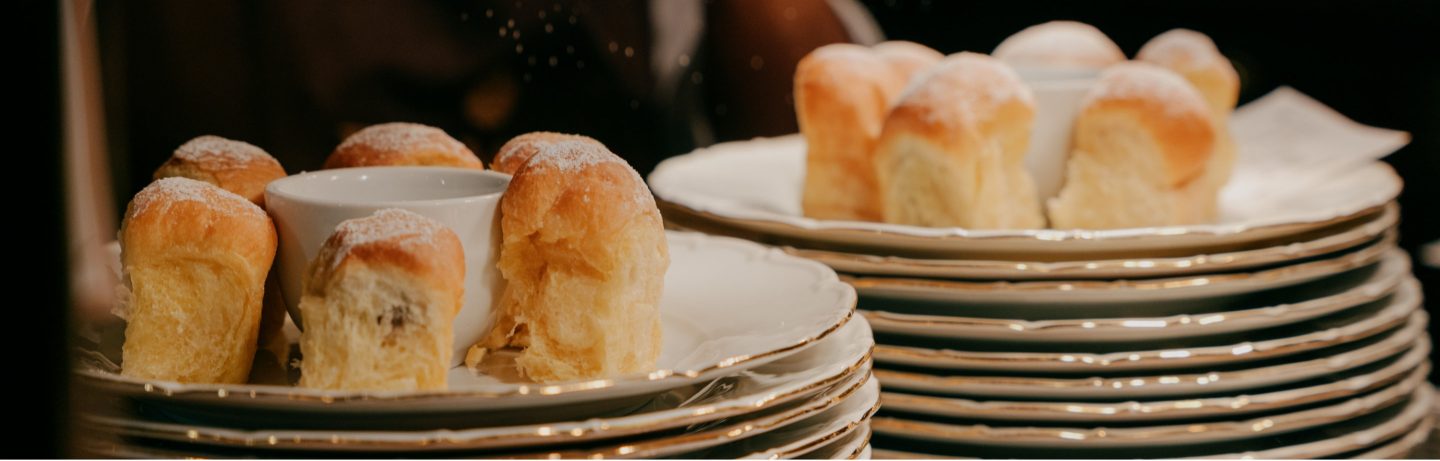
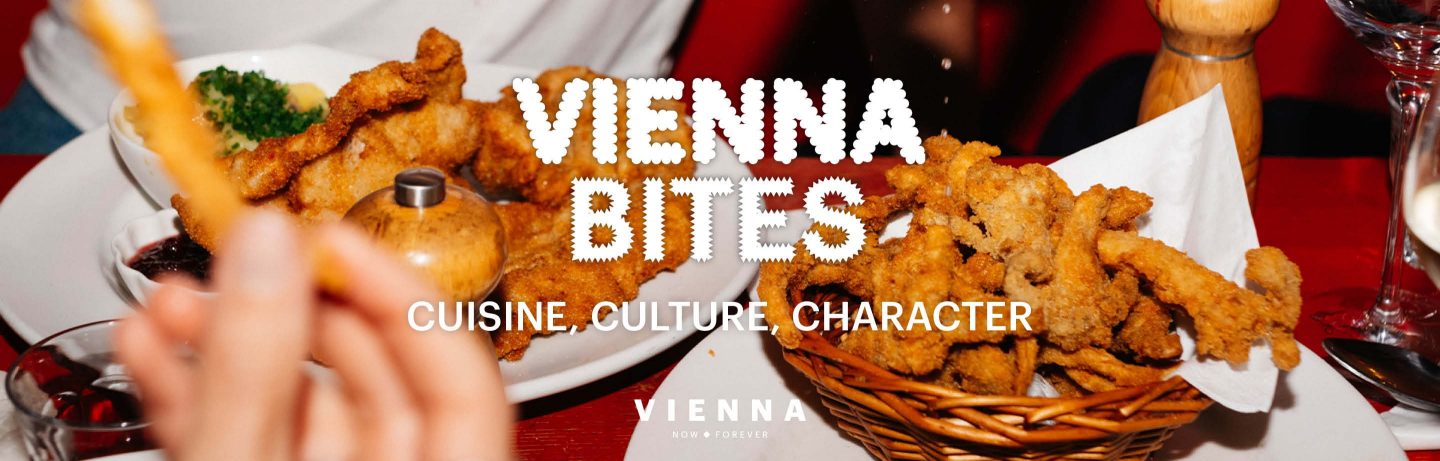
While primarily found in the capital’s down-to-earth Beisl restaurants, Viennese cuisine also extends to its sausage stands and Michelin-starred establishments. Viennese haute cuisine in particular draws inspiration from historical recipes and time-honored techniques, and carries them forward in sometimes radical new directions. And this symbiosis of cultural authenticity and culinary excellence nourishes the city's gastronomic landscape. The range of classical Viennese dishes covers everything from the fine art of offal cookery to the cakes and pastries of Mehlspeisen culture. Vienna’s Beisls promise an authentic – and at the same time affordable – dining experience. And alongside the city’s coffeehouses and Heuriger wine taverns, these cozy restaurants rank among those cherished places where the Viennese way of life is at its most beautiful.